Practical ways to reduce sealant failures caused by primers, joint movement, timing and incorrect depth.
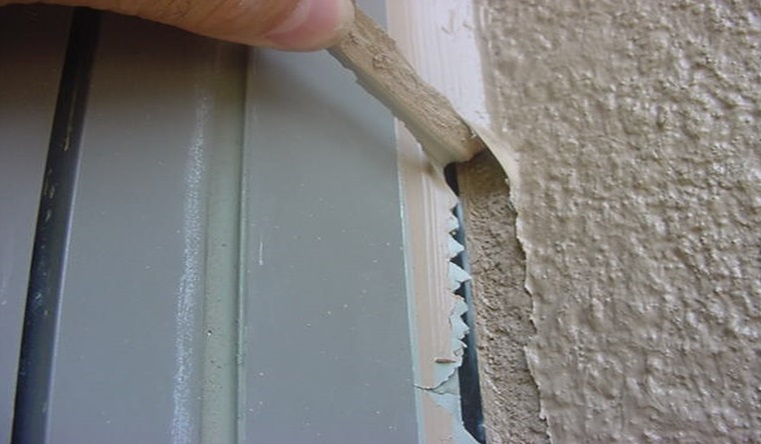
Sealants are an important first line of defence against water, but successful performance depends on both specification and installation. Common failures often begin with unsuitable primers, excessive joint movement, poor installation timing or incorrect sealant depth.
Primer requirements vary by sealant and substrate. A small site mock-up using both primed and unprimed samples helps confirm adhesion before full installation, especially when several materials or unknown finishes are involved.
Joint design must also allow for expected expansion and contraction. Where installation happens during very hot or cold conditions, the selected sealant and joint width should accommodate greater movement. Backer rods help control depth and prevent three-sided adhesion, allowing the sealant to stretch correctly.
Clean substrates, correct tooling and attention to manufacturer guidance remain essential. Early testing and careful joint preparation are far less costly than repairing premature failures.