Five essential areas to protect when planning a dry, durable and comfortable home.
A waterproofed home starts with thoughtful protection at every point where water can enter or collect. Beyond a strong foundation, the roof, water tanks, external walls, bathrooms and internal walls all need systems suited to their exposure.
Roofs and terraces face constant rain and temperature changes, so flexible waterproofing systems are preferable to rigid treatments that can crack. Overhead water tanks also need coatings that protect the concrete and remain suitable for contact with stored water.
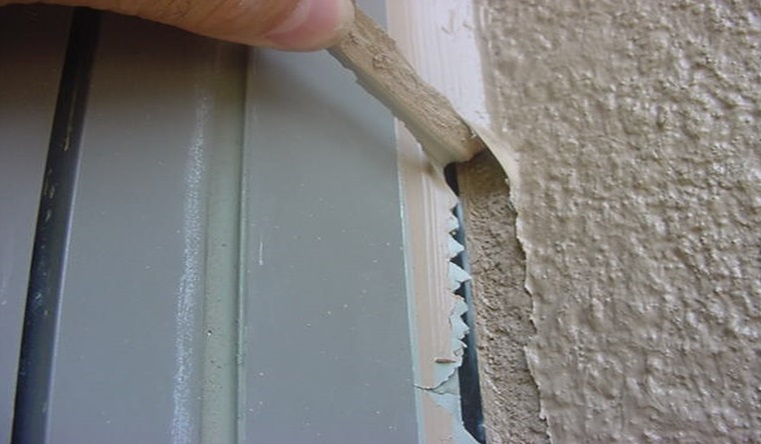
External walls benefit from weather-resistant coatings that combine colour with waterproofing performance. In wet rooms, careful detailing beneath tiles helps prevent dampness from spreading into adjacent walls. Internal damp patches should be investigated early because they often signal water ingress elsewhere in the building.
Good drainage around the property, quality materials and correct application are equally important. Planning these details during construction is more effective and economical than repairing moisture damage later.